
What’s the Difference Between Speed Queen Washer Models?
When you need to compare Speed Queen washers for a shared laundry room, start with the outcomes that matter to your property: durability, resident satisfaction, total cost of ownership, and uptime. Successful programs match washer type and capacity to resident load profiles, building utilities, and service coverage. That means choosing the right balance of agitator action, spin extraction, water use, payment technology, and controls that your team can manage day to day.
Brands publish specs, but actual performance comes from proper selection and professional installation. Engage partners who know Florida codes, water conditions, and salt‑air corrosion so your investment pays off for years. You can review the reasons many choose Speed Queen to confirm the platform fits your property’s long-term goals. The result is fewer service calls, faster turns in busy laundry rooms, and better experiences for residents and staff.
Want to get started?
Call Commercial Laundries at 305-889-7966 and ask about commercial laundry machines for lease
We’re here to help you find the proper equipment right now.
Table of Contents
TC5 vs. TR7: Agitator Design, Transmission, and Wash Action Differences
Speed Queen Front Load vs. Top Load Models: Performance and Capacity Comparison
Commercial vs. Residential Speed Queen Washer Models Explained
What Our Customers Are Saying
Control Panels, Cycle Options, and Warranty Coverage by Model Series
Frequently Asked Questions About Selecting Speed Queen Washers for Multi-Housing
Key Takeaways on compare Speed Queen washers
Resources
TC5 vs. TR7: Agitator Design, Transmission, and Wash Action Differences
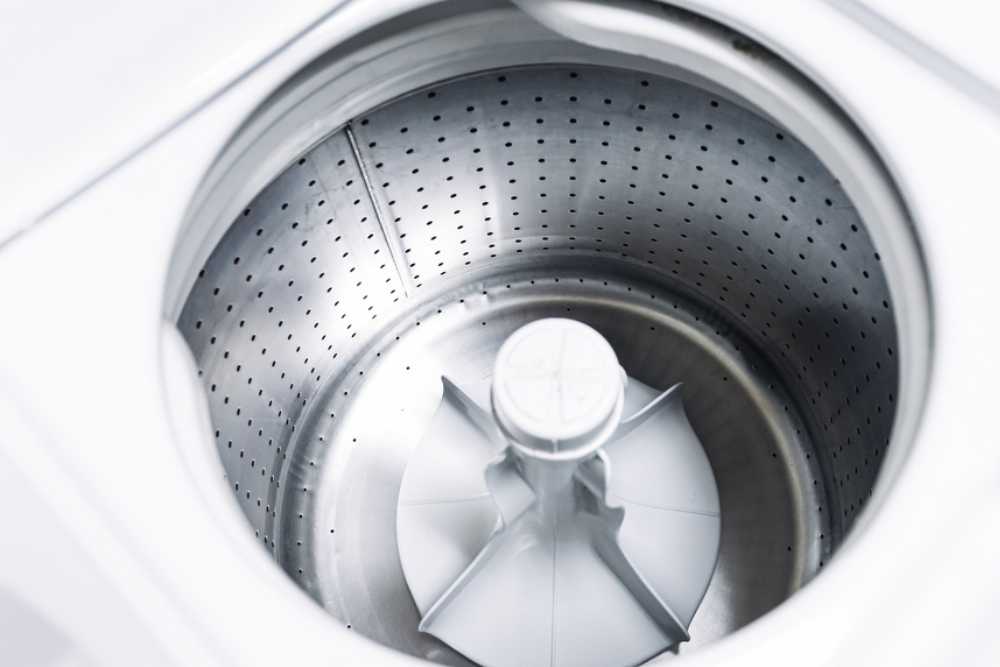
Decision-makers often look at TC5 and TR7 when evaluating top-load wash action. TC5 uses a traditional transmission and full-stroke agitator that delivers assertive turnover and reliable soil removal. TR7 features a refined agitator design with auto-sensing and gentler motion aimed at fabric care and lower water usage. For multi-housing, your choice should reflect typical soil levels, linen types, and resident expectations.
Lean toward TC5-style mechanics when loads are heavy, towels are common, and residents prioritize fast, visible cleaning action. Consider TR7-style agitation for communities with delicate items, energy-savings goals, and noise sensitivity. Field reports from property teams indicate TC5-style systems can feel faster on tough soils, while TR7-style units help reduce wear on garments over time. A detailed Speed Queen model guide can clarify which platform aligns with building utilities and resident mix.
Budget and maintenance also play a role as you compare Speed Queen washers. Traditional transmissions are proven, easy to explain to staff, and familiar to technicians. Newer drive systems offer efficiency gains and advanced sensing that optimize water levels. Either path can work in multi-family; match the mechanism to load profiles and your service program for best results.
Speed Queen Front Load vs. Top Load Models: Performance and Capacity Comparison
Front load units generally extract more water due to higher spin speeds, which can shorten dryer times and reduce energy costs. They also provide larger usable capacity, accommodate bulky items, and meet most ADA goals with proper installation. Top-load units excel at quick-turn resident familiarity, easier spot loading, and lower initial cost. Your property’s drain type, floor structure, and ventilation should guide the final choice.
- Use front loading when rapid drying reduces bottlenecks.
- Use top load when simplicity drives resident adoption.
- Pick a front load to fit large bedding and rugs.
- Pick top load for lighter, more frequent cycles.
Stacked front-load washer/dryer combos save space without sacrificing throughput, an advantage in older buildings and small rooms. Electronic controls on both formats now support coin, smart card, or mobile app payments to reduce cash handling. For ROI, review water rates, electric or gas pricing, and local maintenance access before finalizing procurement. You can weigh washer investment considerations in Florida to estimate lifecycle savings as you compare Speed Queen washers.
Commercial vs. Residential Speed Queen Washer Models Explained
Commercial models are engineered for shared-use duty cycles, external payment systems, and rapid service access. They feature reinforced components, programmable vend features, and warranties designed for multi-housing, hospitality, healthcare, and similar environments. Residential models are optimized for in-unit use and may not carry warranty coverage in common areas. Using the correct classification protects uptime, budgets, and compliance.
Commercial assemblies emphasize heavy-duty bearings, robust suspension, and durable valves for frequent starts and stops. Service panels and diagnostics enable faster troubleshooting, minimizing downtime during peak laundry hours. Controls integrate coin, card, and app-based payments without aftermarket compromises. Review Florida-specific washer specifications to confirm utility compatibility and ventilation requirements.
Operationally, the difference shows in throughput and resident satisfaction. Commercial units accept repeated cycles without overheating, maintain consistent extract, and deliver predictable cycle times. That reliability helps your staff keep rooms clean and residents moving. Choosing the proper category also aligns with insurance and safety protocols.
Want to get started?
Call Commercial Laundries at 305-889-7966 and ask about commercial laundry machines for lease
We’re here to help you find the proper equipment right now.
What Our Customers Are Saying
Control Panels, Cycle Options, and Warranty Coverage by Model Series
Controls influence resident adoption, reporting accuracy, and pricing flexibility. Mechanical dials keep operation simple, while digital controls deliver multi-level pricing, time-of-day discounts, and remote monitoring. App-enabled payments and alerts reduce coin handling, and help staff respond faster to issues. Choose the interface your residents will embrace, and your team can support.
- Audible and visual cycle progress cues.
- Remote price updates and reporting.
- Customizable soil and temperature presets.
- Mobile pay with secure tokenization.
Cycle sets typically include normal, heavy duty, delicates, rinse and spin, and quick wash; front load models often add sanitize and eco options. Programmable water levels and spin speeds tailor wash action to building goals, whether water savings or maximum throughput. Warranty terms vary by series and duty, commonly covering parts and critical assemblies for multi-year periods. Review the fine print, and use resident satisfaction insights for Speed Queen washers to ensure your features map to real-world usage.
Frequently Asked Questions About Selecting Speed Queen Washers for Multi-Housing
Decision-makers often ask these practical questions:
-
How long does a commercial washer typically last in shared use?
Many commercial units provide 10–15 years with proper maintenance. Duty cycle, water quality, and service response times affect lifespan.
-
What payment system should our property implement?
Card and app systems reduce coin handling and simplify accounting. Choose platforms that support remote refunds and detailed reporting.
-
How do front load spin speeds impact dryer utility costs?
Higher extraction reduces remaining moisture, shortening dryer run time. Properties often see measurable savings and faster turnover.
-
Can residential models be installed in a common laundry room?
Residential warranties generally exclude common-area use. Choose commercial models to protect coverage and ensure uptime.
-
What timelines should we expect for delivery and installation?
Lead times vary by model availability and site readiness. Plan for site survey, utility verification, and coordinated installation windows.
-
How do we budget for maintenance across multiple buildings?
Bundle service with scheduled preventative maintenance to stabilize costs. Centralize reporting so patterns and recurring issues surface quickly.
Key Takeaways on compare Speed Queen washers
- Match agitator design to soil levels and fabric care goals.
- Front load extraction cuts dryer time; top load boosts familiarity.
- Use commercial models in common areas to preserve warranties.
- Pick controls that residents adopt, and staff can support reliably.
- Plan for cashless payments, reporting, and preventative maintenance.
Shared laundry succeeds when equipment selection reflects your property’s real usage. Build around uptime, ease of use, and total lifecycle cost, not just acquisition price. Align utilities, payment tech, and service plans before you buy.
Need to compare Speed Queen washers and a plan tailored to your buildings and residents? Connect with Commercial Laundries to review options, site conditions, and service programs. A short consultation can clarify capacity, controls, and payment choices that fit your budget. Call 305-889-7966 to get started.
Resources
- Speed Queen – Design an Environmentally Safe, Laundry Room
- IRS – Energy Efficient Home Improvement Credit | Internal Revenue Service
- Speed Queen – How to Keep a Clean, Organized Laundry Room
 Coin Drop Installed, Prep for Coin, Prep for Card
 Coin Drop Installed, Prep for Coin, Prep for Card
 Coin Drop Installed, Prep for Coin, Prep for Card