
Average Replacement Cycles for Commercial Laundry Equipment
Commercial laundry equipment is engineered for high-volume, repetitive use, but even the most durable machines operate within defined life-cycle parameters. In most multi-housing, hospitality, healthcare, and institutional environments, the replacement cycles for commercial laundry equipment typically range from 8 to 15 years, depending on usage intensity, maintenance practices, and machine quality.
High-turnover properties such as hotels or student housing may experience accelerated wear due to continuous back-to-back cycles, while controlled-use facilities may extend lifespan closer to the upper range. Front-load washers often last longer than top-load units because of their suspension design and reduced mechanical strain, whereas dryer longevity is closely tied to proper venting and routine lint management.
Replacement timing for commercial laundry equipment in Miami should not be based solely on age. Increasing service calls, longer cycle times, inconsistent performance, rising utility consumption, and outdated payment technology are all indicators that equipment is approaching the end of its economic life, even if it remains operational.
From a financial standpoint, many property owners find that replacing machines proactively before failure reduces downtime, protects revenue, and improves tenant satisfaction. Evaluating the total cost of ownership, including parts availability, warranty coverage, and energy efficiency, ensures replacement cycles align with both operational stability and long-term return on investment.
Want to get started?
Call Commercial Laundries at 305-889-7966 and ask about commercial laundry machines for lease
We’re here to help you find the proper equipment right now.
Table of contents
Real Lifecycle of Shared-Use Laundry Machines and Why Spec Sheets Lie
Early-Warning Metrics Property Managers Should Track Before Failure Happens
Replacing Commercial Machines Building-by-Building vs. All at Once
What our customers are saying
Using New Commercial Laundry Equipment to Fix Pricing, Layout, and Operations
Key Takeaways on Replacement Cycles for Commercial Laundry Equipment
Resources
Real Lifecycle of Shared-Use Laundry Machines and Why Spec Sheets Lie
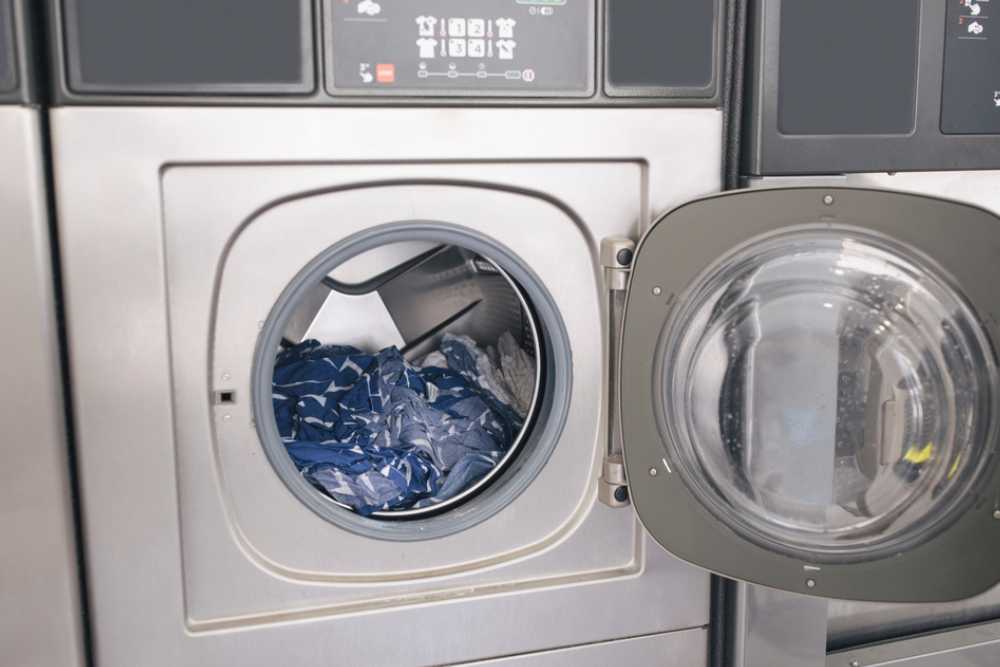
On paper, commercial washers and dryers are often rated for impressive cycle counts and multi-year service projections. Spec sheets highlight laboratory-tested durability, optimal operating conditions, and controlled usage assumptions. In real-world shared-use environments, such as multi-family housing, hotels, schools, and gyms, those assumptions rarely hold true.
Machines are subjected to overloaded drums, improper detergent use, unbalanced cycles, clogged vents, inconsistent cleaning, and near-continuous operation. The result is accelerated wear on bearings, suspension systems, heating elements, control boards, and coin or payment mechanisms. While a manufacturer may project a 15-year lifespan, actual field performance in high-traffic settings often compresses that timeline significantly.
The true lifecycle of shared-use laundry machines in Orlando is determined less by engineering claims and more by user behavior, maintenance discipline, and site infrastructure. Poor ventilation, fluctuating water quality, deferred preventative maintenance, and inconsistent service response all reduce functional longevity.
Technological obsolescence, such as outdated coin systems or unsupported control boards, can render equipment economically inefficient well before mechanical failure occurs. For property owners and facility managers, evaluating lifecycle through a total cost-of-ownership lens provides a more accurate benchmark than relying solely on manufacturer specifications. In shared-use applications, operational reality, not brochure metrics, dictates replacement timing and long-term profitability.
Early-Warning Metrics Property Managers Should Track Before Failure Happens
Proactive asset management requires tracking performance indicators that signal deterioration long before a washer or dryer becomes inoperable. Property managers should monitor these specific early-warning metrics to identify performance decline and address issues before equipment failure occurs:
- Rising Service Call Frequency: An increase in maintenance requests per machine often indicates component fatigue or systemic wear.
- Longer Cycle Completion Times: Extended wash or dry times can signal heating element inefficiency, airflow restriction, or motor strain.
- Inconsistent Water Extraction (High Remaining Moisture Content): Poor spin performance may indicate suspension wear, bearing degradation, or imbalance.
- Temperature Variability in Dryers: Fluctuating heat output may indicate failing thermostats, sensors, or restricted venting.
- Increased Utility Consumption per Cycle: Spikes in water, gas, or electric usage reflect declining mechanical efficiency.
- Coin or Payment System Malfunctions: Frequent jams, reader errors, or app connectivity failures reduce revenue reliability.
- Excessive Vibration or Noise Levels: Unusual operational sound profiles often precede mechanical breakdown.
- Corrosion or Visible Structural Deterioration: Cabinet rust, drum wear, and seal degradation compromise long-term durability.
- Parts Backorder Frequency: Difficulty sourcing replacement components can extend downtime and signal approaching obsolescence.
- Declining Revenue Per Machine: Lower usage rates may reflect tenant dissatisfaction due to inconsistent performance.
Monitoring these metrics allows property managers to shift from reactive repair to strategic replacement planning, protecting both uptime and revenue continuity.
Replacing Commercial Machines Building-by-Building vs. All at Once
When planning capital upgrades for commercial laundry facilities in Fort Myers, property owners must decide whether to replace commercial laundry machines building-by-building or execute a full portfolio-wide replacement at once. A phased, building-by-building approach spreads capital expenditure over time, reduces immediate financial impact, and allows performance benchmarking between old and new equipment.
This strategy is particularly useful for multi-property operators who want to test newer models, payment systems, or energy-efficient configurations before standardizing across their portfolio. However, phased replacement can create inconsistencies in tenant experience, extend exposure to service calls in older buildings, and delay full operational efficiency gains.
Replacing all machines at once requires greater upfront investment but delivers uniformity in performance, technology, and branding across the property or portfolio. Bulk purchasing can improve pricing leverage, streamline installation logistics, and immediately reduce maintenance variability.
It also standardizes parts inventory and technician training, simplifying long-term service management. The decision ultimately depends on capital allocation strategy, current equipment condition, and revenue goals. From a lifecycle cost perspective, synchronized replacement often reduces long-term operational friction, while phased implementation offers flexibility when budget constraints or occupancy considerations limit large-scale upgrades.
Want to get started?
Call Commercial Laundries at 305-889-7966 and ask about commercial laundry machines for lease
We’re here to help you find the proper equipment right now.
What our customers are saying
Using New Commercial Laundry Equipment to Fix Pricing, Layout, and Operations
Upgrading to new commercial laundry equipment creates an opportunity to recalibrate the revenue strategy, optimize space utilization, and streamline day-to-day operations. Here is how it can correct outdated pricing models, improve room layout efficiency, and streamline overall operational performance:
- Reset Pricing Structures: Introduce updated vend pricing aligned with modern cycle options, utility efficiency, and market demand.
- Enable Tiered Cycle Pricing: Offer premium wash temperatures, extra rinse options, or high-speed extraction at differentiated price points.
- Transition to Digital or Hybrid Payment Systems: Implement app-based, card, or coinless systems that improve collection accuracy and reduce theft risk.
- Optimize Machine Mix: Replace outdated capacity ratios with a balanced combination of standard, large-capacity, and stack units to match resident usage patterns.
- Improve Room Layout Efficiency: Reconfigure spacing to increase throughput, enhance ADA compliance, and create better traffic flow.
- Reduce Utility Costs: Install high-efficiency washers and dryers that lower water, gas, and electrical consumption per cycle.
- Decrease Downtime and Service Calls: Newer machines reduce reactive maintenance and stabilize operational uptime.
- Enhance Reporting and Revenue Tracking: Modern controls provide usage data, cycle counts, and collection reporting for better financial oversight.
- Increase Resident Satisfaction: Faster cycles, improved reliability, and flexible payment options improve the overall user experience.
- Standardize Maintenance Protocols: Updated equipment simplifies parts inventory and technician training across properties.
Strategic replacement is not just a mechanical upgrade, it is a comprehensive operational reset that improves revenue consistency and facility performance.
Key Takeaways on Replacement Cycles for Commercial Laundry Equipment
- Spec sheets rarely reflect real-world performance in shared-use environments, where heavy, inconsistent tenant behavior accelerates wear beyond manufacturer projections.
- Commercial laundry equipment typically operates on an 8- to 15-year replacement cycle, but economic obsolescence, rising service costs, and payment technology upgrades often justify earlier reinvestment.
- Tracking early-warning metrics, such as service frequency, utility spikes, cycle inefficiencies, and payment failures, allows property managers to plan proactively rather than react to breakdowns.
- Replacement strategy matters: phased, building-by-building upgrades provide capital flexibility, while full-scale replacements improve operational consistency and long-term efficiency.
- New commercial equipment is an operational reset opportunity, enabling updated pricing models, optimized layouts, improved revenue tracking, reduced downtime, and stronger tenant satisfaction.
Understanding the replacement cycles for commercial laundry equipment is crucial for landlords and property managers. These cycles directly impact operational efficiency, tenant satisfaction, and overall profitability. Implementing timely upgrades can prevent unexpected downtime, ensuring that laundry services remain available and reliable for residents. To discuss how to best plan these upgrades and safeguard your revenue, please call Commercial Laundries at 305-889-7966.
Resources
- Speed Queen – Speed Queen Genuine Parts–Nothing Else Compares
 Coin Drop Installed, Prep for Coin, Prep for Card
 Coin Drop Installed, Prep for Coin, Prep for Card
 Coin Drop Installed, Prep for Coin, Prep for Card