
Considering Factors When Comparing Commercial Laundry Brands
Selecting the right equipment for a shared laundry environment requires more than comparing price tags or brand recognition. Property owners and facility managers must evaluate performance specifications, service infrastructure, energy efficiency, and long-term return on investment before making a decision.
Understanding the key factors to consider when comparing commercial laundry brands helps ensure the machines you install can withstand high-traffic usage, minimize downtime, and support consistent revenue generation. From build quality and warranty coverage to parts availability and payment system compatibility, a structured comparison protects your capital investment and aligns your equipment strategy with operational and tenant expectations.
Want to get started?
Call Commercial Laundries at 305-889-7966 and ask about commercial laundry machines for lease
We’re here to help you find the proper equipment right now.
Table of contents
Commercial Machines That Survive Heavy, Unpredictable Tenant Use
Operational Footprint: Energy, Water Use, and Utility Cost Impact
Serviceability & Support Ecosystems: Parts, Technicians, and Response Times
What our customers are saying
Financial Mechanics: Payment Integration, Data Access, and Revenue Control
Key Takeaways on “Factors to Consider When Comparing Commercial Laundry Brands”
Commercial Machines That Survive Heavy, Unpredictable Tenant Use
In multi-family housing, schools, and other shared environments, equipment must withstand inconsistent loads, back-to-back cycles, improper detergent use, and limited user oversight. Selecting commercial machines engineered for durability reduces service calls, extends asset life, and protects revenue. Below are the key design and engineering characteristics that allow commercial washers and dryers to survive heavy, unpredictable tenant use:
- Industrial-Grade Construction: Reinforced steel frames, heavy-gauge panels, and commercial suspension systems designed for continuous-duty operation.
- High-Capacity Bearings and Seals: Oversized bearing assemblies and triple-lip seals that tolerate frequent high-speed extraction and prevent premature water intrusion.
- Commercial-Grade Motors: Inverter-driven or heavy-duty motors built for repeated start-stop cycles without overheating.
- Advanced Suspension Systems: Shock absorbers and spring assemblies engineered to handle unbalanced loads common in shared laundry rooms.
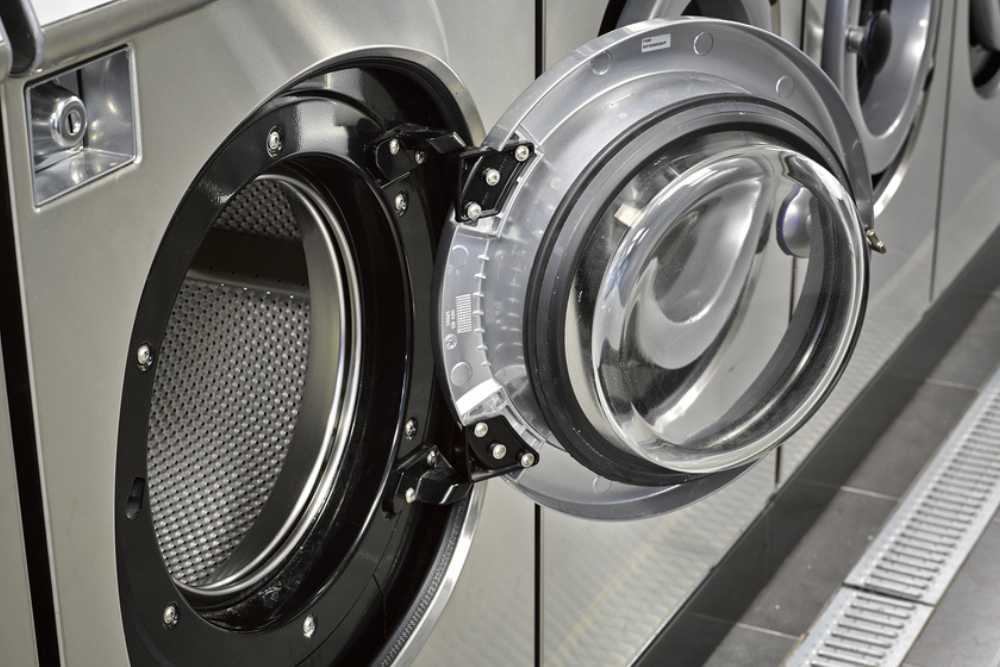
- Durable Door Hardware: Reinforced hinges, commercial latches, and impact-resistant glass to withstand misuse and slamming.
- Programmable Controls with Lockout Features: Owner-level programming that prevents tampering and limits cycle abuse.
- Shorter, Optimized Cycle Times: Efficient wash and dry cycles that reduce machine strain while increasing throughput.
- High-G-Force Extraction: Faster water removal reduces the dryer’s workload and shortens total turn times.
- Moisture-Sensing Dryers: Prevent over-drying, reduce wear on heating components, and improve energy efficiency.
- Serviceable Design: Front-access panels and modular components that simplify repairs and minimize downtime.
- Parts Availability and Brand Support: Reliable domestic parts distribution and established commercial service networks.
- Coin and Coinless Compatibility: Flexible payment integration without compromising mechanical integrity.
Machines built with these specifications consistently outperform light-duty equipment, especially in high-traffic properties where tenant behavior is unpredictable and reliability directly impacts both resident satisfaction and revenue performance.
Operational Footprint: Energy, Water Use, and Utility Cost Impact
When evaluating commercial laundry equipment, operational footprint is a critical financial metric, not just an environmental consideration. Energy consumption, water usage, and utility infrastructure requirements directly affect long-term operating expenses and net operating income. High-efficiency commercial washers use optimized fill levels, advanced spray rinsing, and high G-force extraction to reduce water consumption per cycle. Lower water usage decreases both water and sewer costs, which is particularly important in multi-family housing where utilities may be owner-paid. Additionally, greater extraction speeds remove more moisture from linens and garments, shortening dryer run times and reducing gas or electric demand.
On the dryer side, moisture-sensing technology and efficient airflow design significantly impact utility performance. Overdrying wastes energy and accelerates component wear, while properly calibrated moisture sensors terminate cycles at the correct dryness level, lowering utility consumption without sacrificing performance.
It is also important to assess electrical requirements, such as single-phase versus three-phase power, gas line capacity, venting layout, and make-up air needs during equipment selection. Machines that align with existing infrastructure reduce costly retrofits and installation overruns. Over the lifecycle of the equipment, incremental efficiency gains compound into meaningful savings, making utility performance a core component of any commercial laundry investment decision.
Serviceability & Support Ecosystems: Parts, Technicians, and Response Times
Service infrastructure is one of the most overlooked yet critical factors to consider when comparing commercial laundry brands. Even the most durable equipment will eventually require maintenance, and downtime in a shared laundry environment directly impacts resident satisfaction and revenue. Evaluating a brand’s support ecosystem ensures your investment is protected throughout the machine’s lifecycle.
Key serviceability considerations include:
- Parts Availability: Domestic parts warehousing and predictable supply chains that prevent extended outages.
- Local Technician Network: Factory-trained or authorized technicians familiar with the brand’s control systems and mechanical design.
- Average Response Times: Clearly defined service level expectations to minimize operational disruption.
- Technical Documentation Access: Readily available service manuals, wiring schematics, and programming guides.
- Modular Component Design: Replaceable assemblies that reduce labor hours and simplify repairs.
- Warranty Coverage Structure: Clear terms on parts, labor, and commercial usage classifications.
- Remote Diagnostics Capabilities: Smart monitoring tools that identify error codes before a complete shutdown occurs.
A strong service ecosystem reduces lifecycle costs, shortens repair windows, and protects monthly revenue streams. When evaluating brands for multi-family housing, schools, or hospitality environments, service response reliability should carry equal weight to machine performance specifications and upfront cost.
Want to get started?
Call Commercial Laundries at 305-889-7966 and ask about commercial laundry machines for lease
We’re here to help you find the proper equipment right now.
What our customers are saying
Financial Mechanics: Payment Integration, Data Access, and Revenue Control
Modern commercial laundry investments extend beyond mechanical performance into financial infrastructure. Payment integration plays a central role in revenue optimization, especially in multi-family housing and other shared environments. Operators must evaluate whether equipment supports traditional coin mechanisms, card systems, mobile pay platforms, or fully cashless ecosystems.
Flexible payment compatibility enables property owners to adapt to resident preferences while reducing coin-collection labor, shrinkage risk, and service interruptions caused by jammed mechanisms. Systems that support remote price adjustments also enable operators to respond quickly to utility cost fluctuations without physically accessing each machine.
Data access is equally important for revenue control and operational transparency. Advanced commercial laundry platforms provide usage reporting, cycle counts, peak demand tracking, and payment reconciliation dashboards. This visibility allows property managers to identify underperforming machines, detect potential misuse, and optimize pricing strategies based on actual demand patterns.
Additionally, integrated monitoring can alert operators to out-of-service units in real time, minimizing downtime and protecting income streams. When evaluating equipment, decision-makers should assess backend reporting capabilities, ease of reconciliation, cybersecurity safeguards, and long-term scalability. A well-designed payment and data ecosystem transforms laundry rooms from passive amenities into measurable revenue centers with predictable financial performance.
Key Takeaways on “Factors to Consider When Comparing Commercial Laundry Brands”
- Brand Comparison Must Go Beyond Price: Evaluating commercial laundry brands requires analyzing durability, service infrastructure, operational efficiency, and long-term ROI rather than focusing solely on upfront equipment cost.
- Durability Directly Impacts Revenue Stability: Industrial-grade construction, heavy-duty motors, reinforced suspension systems, and high-capacity bearings are essential for surviving unpredictable tenant use and reducing costly downtime.
- Utility Efficiency Protects Net Operating Income: High-G-force extraction, moisture-sensing dryers, and optimized water use significantly reduce water, sewer, gas, and electric expenses over the equipment lifecycle.
- Service Ecosystems Determine Lifecycle Cost: Parts availability, technician networks, response times, warranty structure, and remote diagnostics capabilities are critical to minimizing outages and maintaining consistent performance.
- Payment and Data Systems Drive Financial Control: Flexible payment integration, remote pricing adjustments, and real-time usage reporting transform laundry rooms into trackable revenue centers with measurable operational performance.
Choosing the right equipment partner requires understanding the real factors to consider when comparing commercial laundry brands, from durability and service support to energy efficiency and revenue control. Commercial Laundries works with property owners, housing operators, schools, and hospitality facilities throughout South Florida to design laundry solutions that maximize performance and long-term returns. Whether you are upgrading aging machines or planning a new installation, our team provides expert guidance, flexible leasing options, and trusted brands built for heavy use.
Contact Commercial Laundries today at 305-889-7966 to evaluate your current setup and build a smarter, more profitable laundry operation.
 Coin Drop Installed, Prep for Coin, Prep for Card
 Coin Drop Installed, Prep for Coin, Prep for Card
 Coin Drop Installed, Prep for Coin, Prep for Card