
Why Speed Queen Coin Laundry Machines Remain the Industry Standard
Speed Queen coin laundry machines remain the industry standard for property owners and facility managers because they are engineered for durability, consistency, and long-term operational efficiency in shared-use environments. These machines are built to withstand frequent daily cycles while maintaining wash quality, energy control, and mechanical reliability over decades of use. With a reputation rooted in commercial-grade construction rather than residential adaptation, Speed Queen equipment continues to set benchmarks for performance and lifecycle value. The combination of proven engineering, standardized components, and serviceability explains why these machines remain widely specified across the industry.
Want to get started?
Call Commercial Laundries at 305-889-7966 and ask about commercial laundry machines for lease
We’re here to help you find the proper equipment right now.
Table of contents
What Are the Typical Specifications Included in a Speed Queen Laundry Machine?
Should I Choose a Gas or Electric Speed Queen Laundry Machine?
How Much Water Is Used in a Cycle of a Typical Speed Queen Commercial Washer?
What our customers are saying
How Much Energy is Used for Most Speed Queen Commercial Dryers?
Key Takeaways on Speed Queen Coin Laundry
Resources

What Are the Typical Specifications Included in a Speed Queen Laundry Machine?
Speed Queen commercial machines are built with standardized specifications that prioritize longevity, mechanical stability, and consistent performance across high-frequency use environments. These specifications focus on structural strength, simplified service access, and repeatable results over thousands of cycles.
Typical specifications commonly include:
- Stainless steel inner wash baskets are designed to resist corrosion and handle repeated exposure to moisture, detergents, and high spin speeds
- Reinforced outer tubs and frames that reduce vibration and structural fatigue during heavy or imbalanced loads
- Oversized bearings and commercial-grade seals that extend service life and reduce maintenance frequency
- Programmable electronic controls that allow for consistent cycle performance while managing water levels and wash times
- Heavy-duty suspension and drive systems engineered to maintain alignment and stability under continuous operation
These specifications are not optional add-ons but foundational design elements that distinguish commercial equipment from residential alternatives. For a deeper look at how these features affect long-term ownership, this overview of Speed Queen coin-operated washer investment considerations explains why these machines are built for sustained performance rather than short-term use.
Should I Choose a Gas or Electric Speed Queen Laundry Machine?
The choice between gas and electric machines depends on the availability of on-site utilities, long-term operating costs, and the building’s physical infrastructure. While both options are manufactured to the same commercial engineering standards, they differ in how they generate heat, recover temperature, and consume energy over repeated cycles. Factors such as local energy pricing, electrical capacity, ventilation requirements, and anticipated usage volume all play a role in determining which configuration delivers the most efficient and cost-effective performance for a given location.
Some key considerations when comparing gas and electric options include:
- Heating efficiency, with gas units typically offering faster heat recovery and shorter cycle times
- Utility pricing, such as regional gas and electric rates, can significantly impact long-term operating costs
- Installation requirements, including venting needs for gas units and electrical capacity for electric models
- Temperature consistency, where electric dryers may provide more uniform heat output across cycles
- Operational throughput, which may favor gas dryers in higher-volume environments
Speed Queen coin laundry systems are designed to perform reliably regardless of heating method, allowing operators to select the option that best aligns with building constraints and energy strategy. This breakdown of Speed Queen coin-operated washers for shared laundry rooms provides additional guidance on selecting configurations that match usage patterns and infrastructure realities.
How Much Water Is Used in a Cycle of a Typical Speed Queen Commercial Washer?
Water consumption is a significant factor when evaluating commercial washing equipment, particularly in regions where utility costs are rising or water conservation requirements are in place. Beyond direct operating expenses, water usage can also influence infrastructure strain and long-term sustainability planning. Speed Queen coin laundry systems are engineered to manage water use efficiently through controlled fill levels and optimized wash actions, delivering thorough, consistent cleaning results without unnecessary resource consumption.
Water usage is managed through several key design features:
- Advanced fill controls that regulate water levels based on cycle selection and load requirements
- Optimized wash actions that maximize mechanical cleaning effectiveness with less water
- High-speed extraction cycles that remove more moisture before drying begins
- Consistent performance across load sizes, reducing waste caused by overfilling or inefficient rinsing
- Durable seals and valves that maintain precise water control over long service lives
By minimizing excess water use and improving extraction efficiency, these machines reduce overall water consumption and lower the energy required for drying. Less retained moisture means shorter drying cycles, which can translate into measurable efficiency gains over time. This helpful guide to buying Speed Queen coin-operated washing machines explains how water usage directly affects the total cost of ownership and long-term operational planning, particularly when evaluating equipment performance over its entire service life.
Want to get started?
Call Commercial Laundries at 305-889-7966 and ask about commercial laundry machines for lease
We’re here to help you find the proper equipment right now.
What our customers are saying
How Much Energy is Used for Most Speed Queen Commercial Dryers?
Several interconnected factors, including the heating method, airflow efficiency, and overall cycle duration, influence energy usage in commercial dryers. Variations in any of these areas can significantly affect both energy consumption and drying consistency over time. Speed Queen coin-operated laundry systems are designed to balance precise energy control with reliable drying performance, maintaining efficiency and uniform results across repeated daily cycles without placing unnecessary strain on equipment components.
Several design elements contribute to controlled energy use:
- Efficient airflow systems that promote even heat distribution and reduce drying time
- Durable drum construction that maintains consistent tumbling and moisture removal
- Reliable temperature controls that prevent overheating and unnecessary energy draw
- High-capacity lint management systems that support airflow efficiency over time
- Compatibility with both gas and electric heat sources, allowing flexibility based on energy strategy
Together, these features help dryers maintain consistent energy consumption while reliably delivering drying results from cycle to cycle. This level of performance stability is critical in high-use environments, where small inefficiencies can compound over time. Evaluating energy use alongside throughput capacity and overall cycle performance ensures dryer selections support day-to-day operational efficiency while also contributing to long-term cost control and equipment longevity.
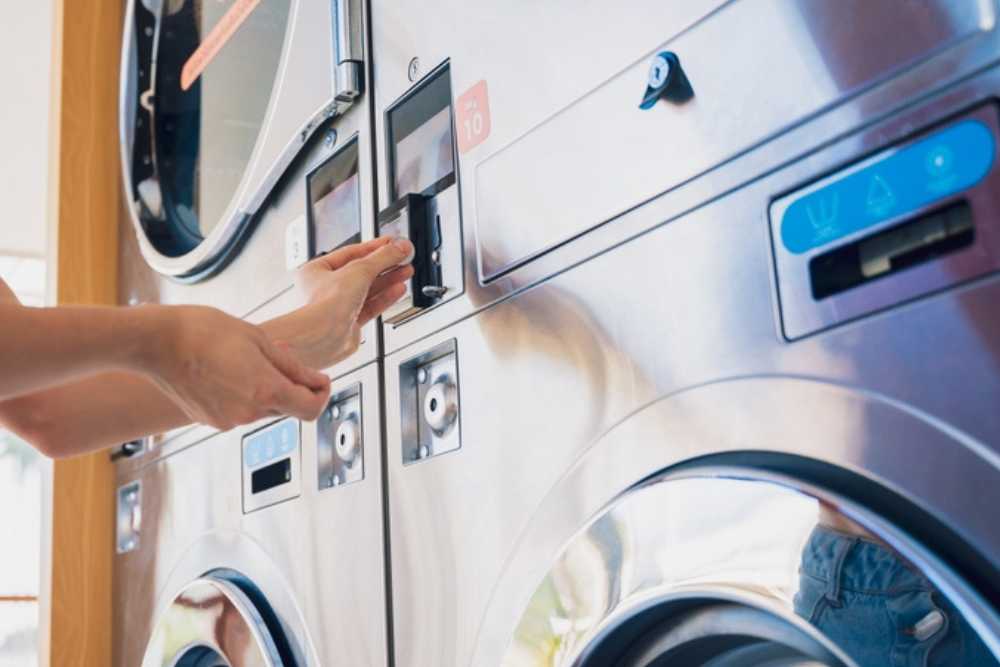
Key Takeaways on Speed Queen Coin Laundry
- Speed Queen coin laundry machines are engineered specifically for commercial use, with a design focus on long-term durability, consistent performance, and extended service life in shared-use environments where equipment reliability is critical.
- Heavy-duty components such as reinforced tubs, oversized bearings, and commercial drive systems are built to withstand continuous daily operation, helping reduce mechanical stress, vibration, and premature wear over thousands of cycles.
- Gas and electric dryer options provide operational flexibility, allowing equipment selections to align with utility availability, installation limitations, local energy pricing, and long-term operating cost strategies.
- Optimized water use, combined with high-speed extraction, helps lower overall water consumption and reduce the amount of residual moisture carried into the drying process, supporting both efficiency and fabric care.
- Efficient airflow design and precise temperature control systems contribute to predictable energy use and consistent drying performance, ensuring reliable results while supporting long-term cost control and equipment longevity.
Selecting the right equipment is only part of building a reliable laundry operation for your property or facility. Working with an experienced provider ensures proper equipment selection, professional installation, and long-term support that protects your investment. Our team at Commercial Laundries specializes in helping property owners and facility managers identify Speed Queen solutions tailored to their specific operational needs. Whether you are planning a new installation or evaluating replacement options, our expertise can help you make informed decisions that support performance, efficiency, and longevity.
To speak with a knowledgeable representative, call 305-889-7966 and learn how commercial-grade laundry equipment can deliver lasting value.
Resources
- ENERGY STAR – Commercial Clothes Washers
- U.S. Environmental Protection Agency (EPA) – WaterSense: Saving Water in Commercial Buildings
 Coin Drop Installed, Prep for Coin, Prep for Card
 Coin Drop Installed, Prep for Coin, Prep for Card
 Coin Drop Installed, Prep for Coin, Prep for Card